Thai Real Estate Association Collaborates with Private Real Estate Network to Combat COVID-19 by Establishing a Community Isolation Center in Rat Burana
The Thai Real Estate Association, in collaboration with the private real estate network, has joined forces to combat COVID-19 by establishing a Community Isolation Center in Rat Burana to help curb the spread of the virus.
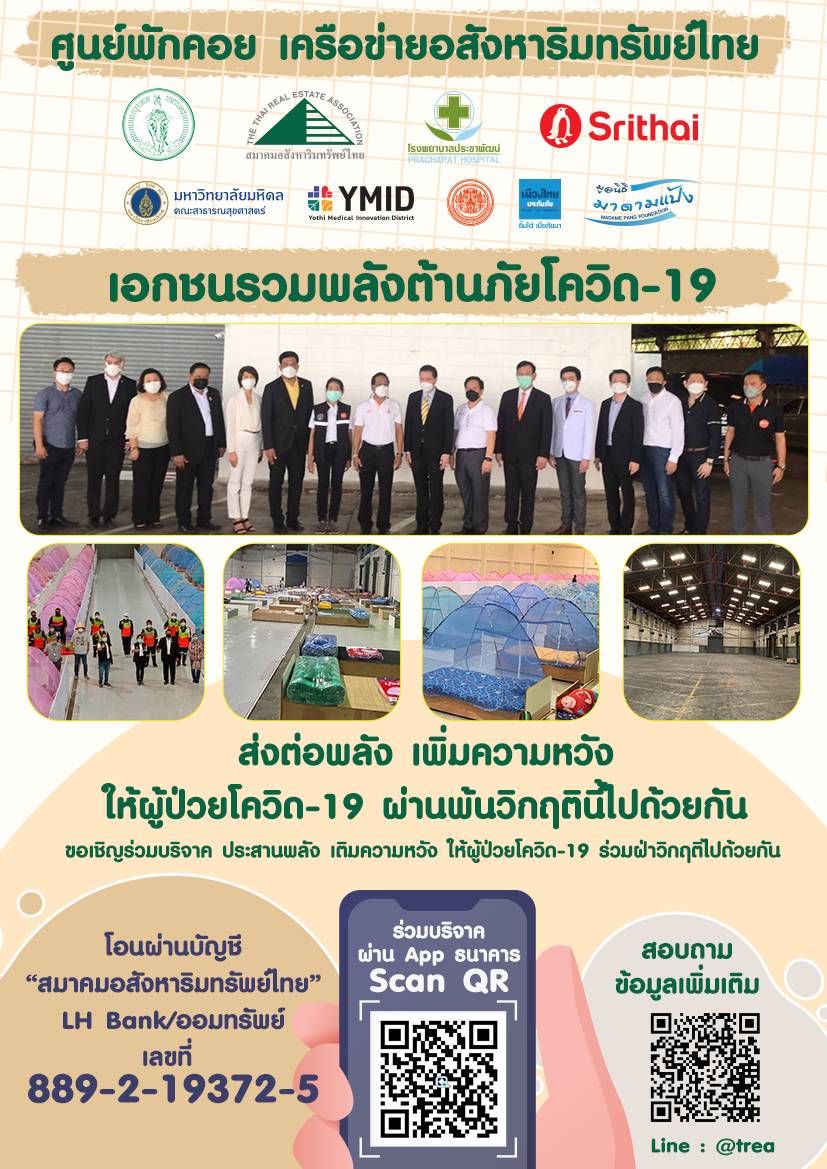
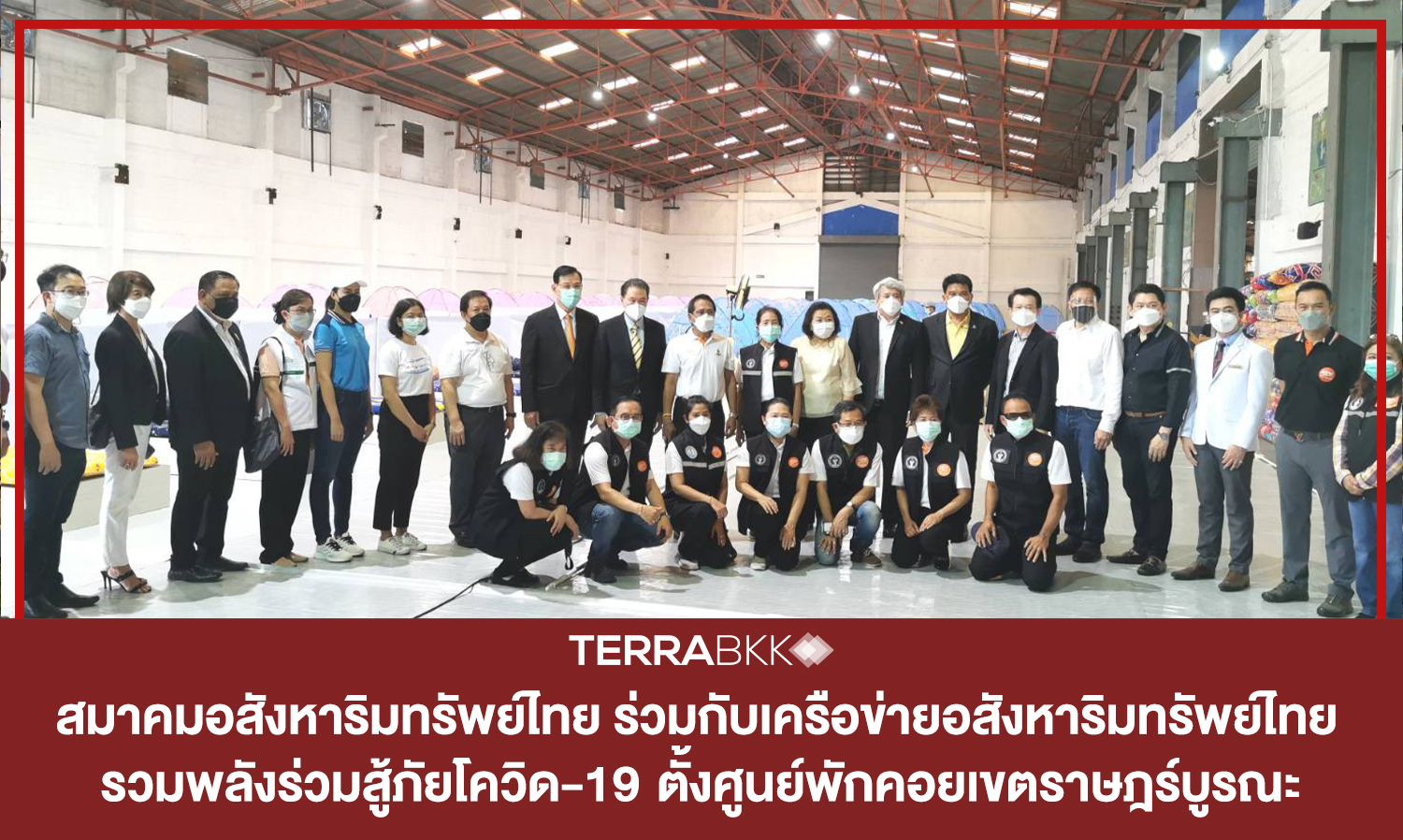
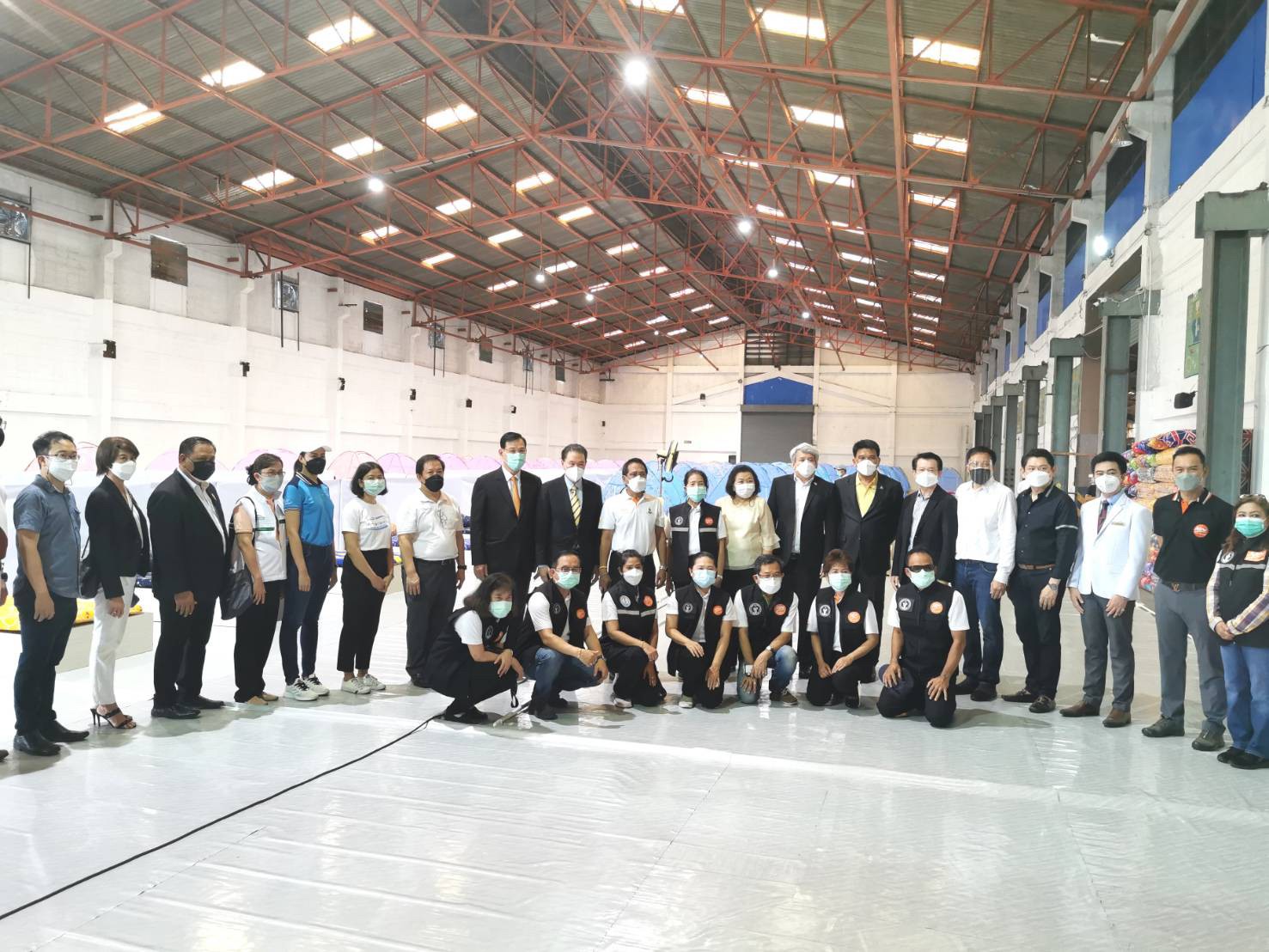
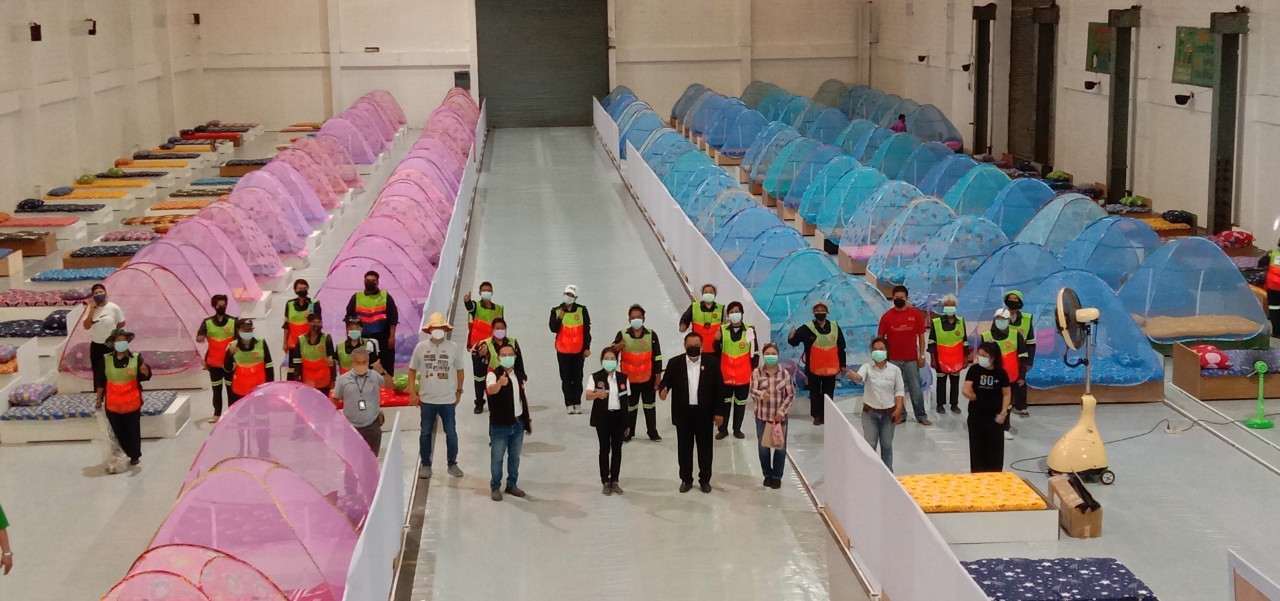
The Thai Real Estate Association has teamed up with the private real estate network and the Rat Burana District Office in Bangkok to set up the “Community Isolation Center”, with support from Srithai Superware Public Company Limited, along with assistance from Prachapat Hospital, Mahidol University’s Faculty of Public Health, the Yothi Medical Innovation District (YMID), King Mongkut's University of Technology Thonburi, Muang Thai Insurance Public Company Limited, and Madam Pang Foundation to increase bed capacity for COVID-19 patients to over 200 beds, aiming to reduce the transmission cycle. This mission will continue as the private sector strives to expand COVID-19 patient beds, providing hope and encouragement.
Mr. Pornarits Chuanchaisit, President of the Thai Real Estate Association, stated that the current COVID-19 situation is expected to persist for a long time due to the evolving virus strains. Vaccination coverage is still insufficient as per government targets, and the lockdown numbers have not improved. Unlike China, which can enforce strict lockdowns, Thailand must adapt to living with COVID-19 for an extended period. The vaccination rate is still below target, and we must monitor the influx of vaccines in the coming months and how many can be administered. Therefore, everyone needs to adjust to living with COVID-19. If the government opts for prolonged lockdown measures until the situation improves, it may not be feasible.
In light of this situation, the association has been coordinating with various parties and government agencies continuously. Previously, there was a significant increase in community infections, prompting the association to provide assistance in various communities. This expanded to construction labor camps, leading to the idea of establishing an isolation center. The association coordinated to find suitable locations, including land from the State Property Office, the railway, and public land. Subsequently, Prachapat Hospital was contacted to see if they could manage patients at the isolation center, as they had limited beds while many patients awaited admission.
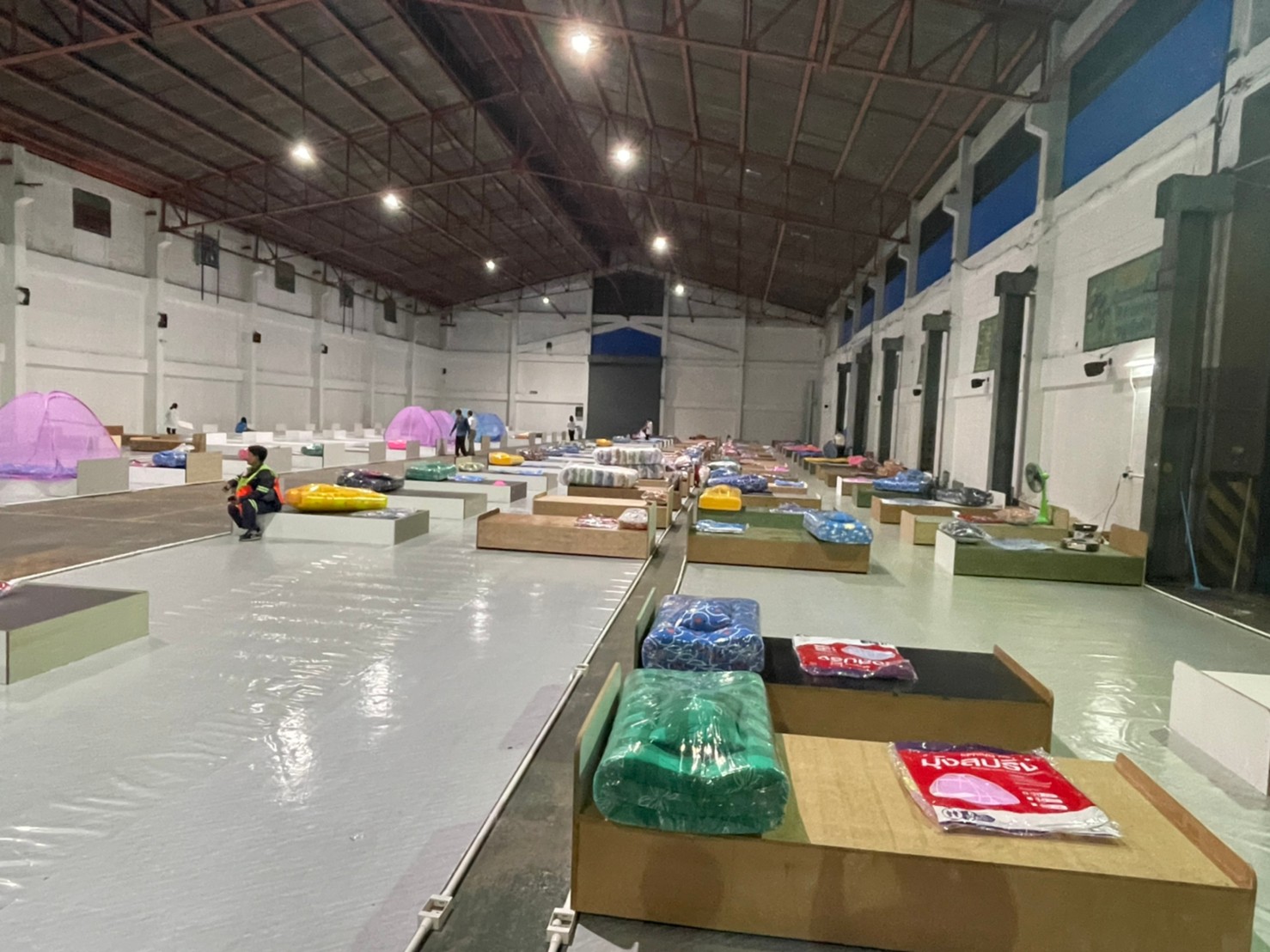
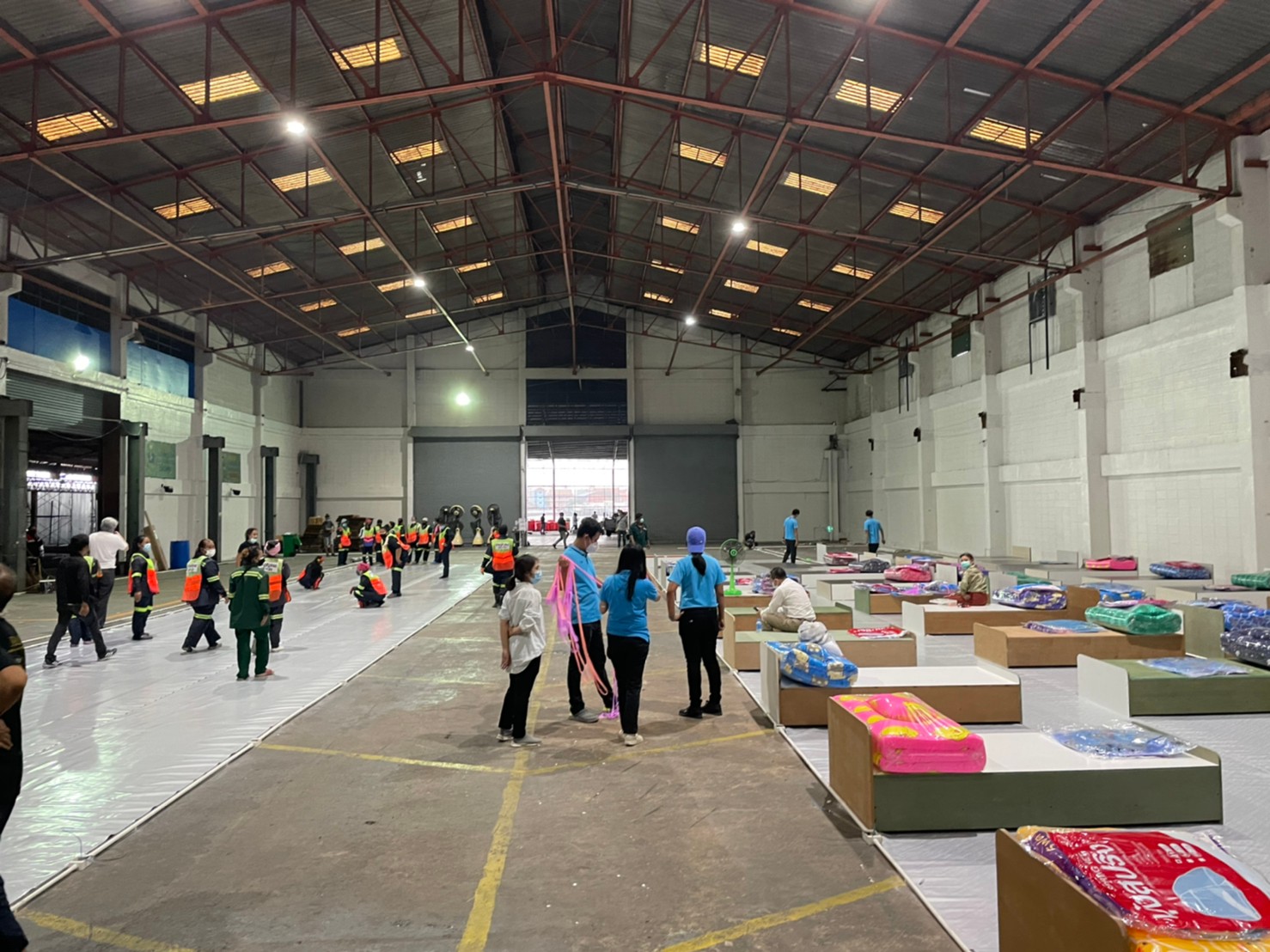
The hospital aimed to separate green and yellow patients, moving green patients outside to manage the situation better. Additionally, the Rat Burana District Office received a directive from the Bangkok Governor for each district to establish isolation centers, leading to this collaboration. The Thai Real Estate Association, represented by myself, Mr. Adirek Saengsaikaew, Vice President and Secretary-General of the Thai Real Estate Association, and Dr. Vorapoj Kantapipat, Vice President of the Thai Real Estate Association, has dedicated efforts to transform an old warehouse of Srithai Superware on Rat Burana Road to assist the public.
Ultimately, the private sector involved in renovating the old warehouse coordinated with partners experienced in construction to improve facilities, including restrooms, showers, wastewater treatment systems, negative pressure rooms, and electrical and plumbing systems.
This effort received strong support from various sectors, including the Rat Burana District Office, Prachapat Hospital, Muang Thai Life Assurance Public Company Limited, and Madam Pang Foundation.
If the number of patients remains in the tens of thousands for a while, patients will transition to green, yellow, and red categories as the virus spreads within families and communities. This center is prepared to elevate its status to a field hospital in the future. Currently, this isolation center accommodates green patients, and in the second phase, the number of beds may increase from 200 to 400.
“We hope to help thousands of people avoid further infections. Establishing an isolation center is not easy; it requires proper construction plans according to public health standards. The wastewater treatment system represents a significant collaboration from various sectors to achieve success,” Mr. Pornarits stated.
On this occasion, we invite all compassionate individuals to donate to help those in need during this difficult time. Everyone should think of others and support those who are suffering. This mission will continue for some time. The Real Estate Association invites everyone to share their strength and support donations of 20,000 baht per bed or according to your capacity to purchase medical equipment, supplies, and consumables to assist COVID-19 patients. Together, we will overcome this crisis. The account name is “Thai Real Estate Association,” Land and Houses Bank, account number 889-2-19372-5. Please send the slip for a thank-you letter via Line@trea #Community Isolation Center Rat Burana #@trea
Meanwhile, Dr. Natthawut Wanhao, Director of Prachapat Hospital, stated that the current COVID-19 situation in the country and Bangkok shows a continuous increase in the number of infections. Patients face challenges in accessing treatment due to insufficient hospital beds to accommodate them. Many patients are waiting for beds to access treatment and medication. Prachapat Hospital has a considerable number of patients awaiting beds, which led to the establishment of the “Community Isolation Center in Rat Burana.”
In discussions with the Rat Burana District Director, who also aims to prevent patients from remaining in the community while many await beds, a collaboration was formed with the Thai Real Estate Association and the private sector to establish the Community Isolation Center in Rat Burana to facilitate patient access to treatment. While waiting for beds, patients should isolate from their families and communities to prevent the spread of the virus.
Regarding government policy, the Home Isolation process is considered good, but in practice, it is challenging due to the nature of housing in communities where patients cannot effectively isolate. Therefore, it is better to remove these patients to a designated isolation facility where they can receive medical care, which the hospital is prepared to provide. However, there are challenges with green cases that can realistically stay at home or isolate in community facilities. Due to the high number of patients in the system, the hospital wants to manage green cases outside, allowing it to accommodate more yellow and orange cases.
The Community Isolation Center in Rat Burana is located about 3 kilometers from Prachapat Hospital, facilitating the transfer of severely ill patients to the hospital. The center currently has 200 beds, and depending on the situation, it may be elevated to a field hospital in the future. The center will focus on caring for green patients who have tested positive and must not have restrictions on entering various centers. Patient referrals will come from the local public health office and the Rat Burana District Office. Patients cannot enter the center directly; they must go through a screening process and initial care before being sent to the Community Isolation Center in Rat Burana.
Currently, many compassionate individuals have donated various items, but there is still a need for equipment used in the center, such as fans, bed linens, pillows, mosquito nets, food, and patient care supplies, including a large number of red trash bags and medical equipment such as PPE, N95 masks, and gloves, which can be donated at the Community Isolation Center in Rat Burana, Prachapat Hospital, and designated channels.
However, we hope the government will ease various regulations, as testing for infections poses challenges when admitting patients to the center. We want to accept patients who have confirmed positive results and those who have tested positive at home using the Antigen Test Kit (ATK), but cannot enter the treatment system because they need to undergo confirmatory testing with RT-PCR, which delays the time patients receive care, potentially affecting their health and lives.